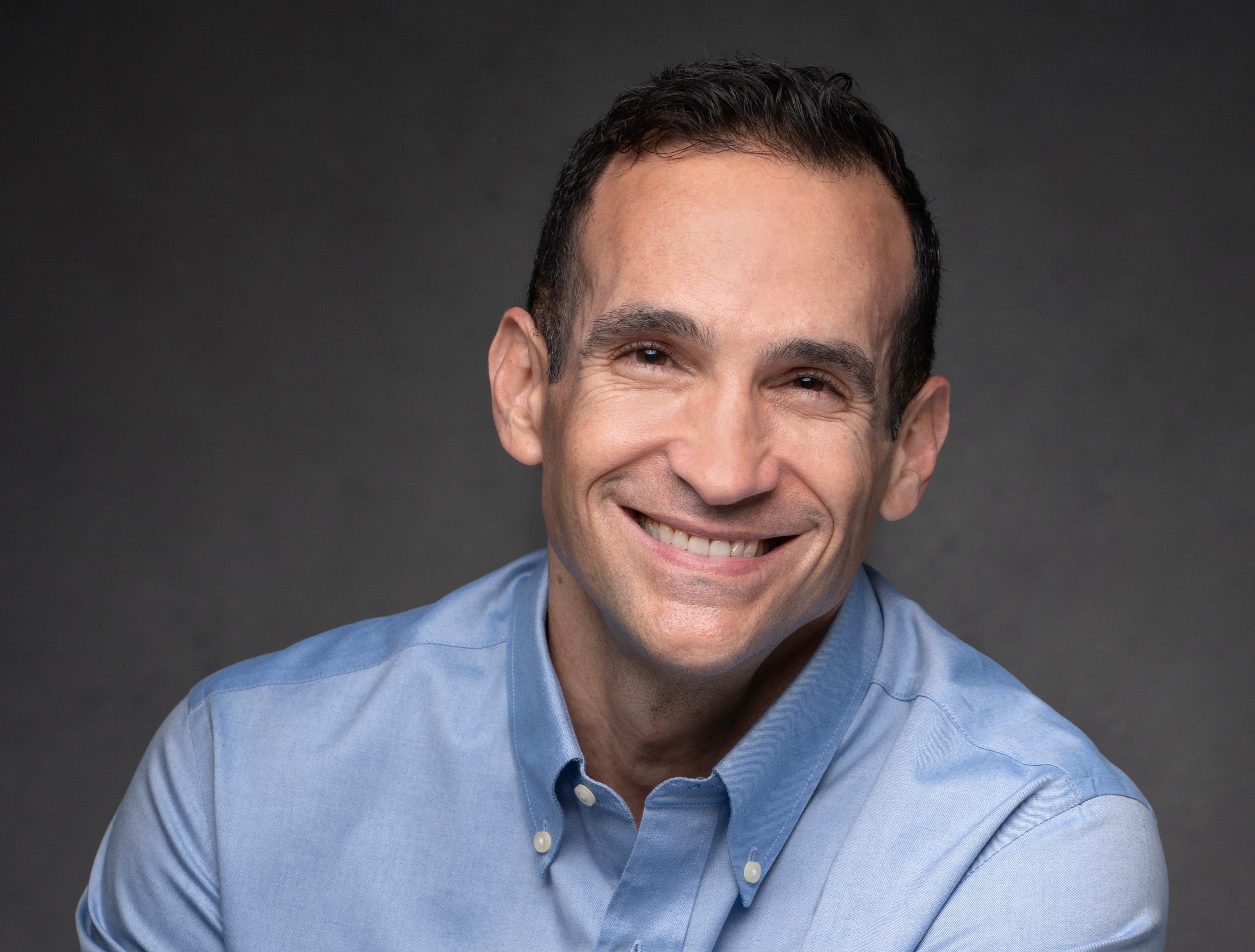
Nir Eyal is an entrepreneur, angel investor, and New York Times best-selling author of ‘Beyond Belief: The Science-Backed Way to Stop Limiting Yourself and Achieve Breakthrough,’ ‘Hooked: How to Build Habit-Forming Products,’ and ‘Indistractable: How to Control Your Attention and Choose Your Life.’
Website / LinkedIn
EC: In a world shaped by AI, abundance, and rising concerns about attention and trust, how should product leaders apply the ideas from Hooked today?
NE: The core advice hasn’t changed: build something people use because it improves their lives, not because it’s engineered to be hard to leave. What’s changed is that AI makes the Investment phase of the Hooked Model dramatically more powerful. Every interaction a user has with your product can now inform the next trigger, sharpen the next reward, and deepen the loop in ways that were previously only available to the largest platforms in the world. A small team today can build a product that personalizes itself to each user with a sophistication that would have required a data science department five years ago.
That’s an enormous opportunity, and it raises the stakes on the foundational question I introduced in Hooked: Are you building something you’d be proud to have your users hooked on? In a world of abundance, attention is the scarce resource, and users are increasingly aware of who is spending it wisely on their behalf and who isn’t. The companies that will earn lasting trust are the ones that use these new capabilities to make their products more genuinely useful, not just more sticky.
EC: As products become more personalized and predictive, what responsibility do product leaders have to help users act in their own long-term interests?
NE: I’d push back slightly on the framing. The question implies that product leaders are the primary line of defense between users and bad outcomes, and I don’t think that’s right, or healthy. When we outsource all responsibility for our attention and behavior to the companies competing for it, we’ve already lost. That’s a large part of what I wrote about in Indistractable. Users have more agency than the current cultural conversation gives them credit for, and treating them as helpless victims of design doesn’t serve them.
That said, product leaders do have a real obligation, and it’s simpler than it’s often made out to be. Ask whether you’d want someone you love to use your product the way your heaviest users use it. If the answer is no, that’s your answer. Companies now have access to behavioral data that can tell them clearly when a user has crossed from engaged to dependent. Choosing to act on that data, or not, is a genuine ethical decision. The ones who ignore it aren’t just making a moral mistake. As we’ve seen in court, they’re making a business one.
EC: What separates products that build meaningful, lasting habits from those that simply capture short-term attention?
NE: The variable reward. Not whether a product has one, but what it’s in service of. Every compelling product creates some form of anticipation, the email that might matter, the feed that might surprise you, the next level that might unlock something new. That mechanism is neutral. What determines whether the habit is worth forming is whether the reward, when it arrives, actually delivers something the user values in retrospect, not just in the moment.
Products that capture short-term attention are optimized for the wanting. Products that create lasting habits are optimized for the getting. Users are not as irrational as the engagement-maximizing model assumes. They notice, over time, whether a product is making their lives better. They may not quit immediately, habits are sticky by design, but they do eventually. The products people use for years, and recommend to people they care about, are the ones where the investment compounds into something real: a skill, a relationship, a measurable improvement in health or productivity or knowledge. That’s not a soft aspiration. It’s the only business model that survives long enough to matter.
“Ask whether you'd want someone you love to use your product the way your heaviest users use it. If the answer is no, that's your answer.”
— Nir Eyal